
How GPS Tracking Helps Reduce Insurance Premium Risk
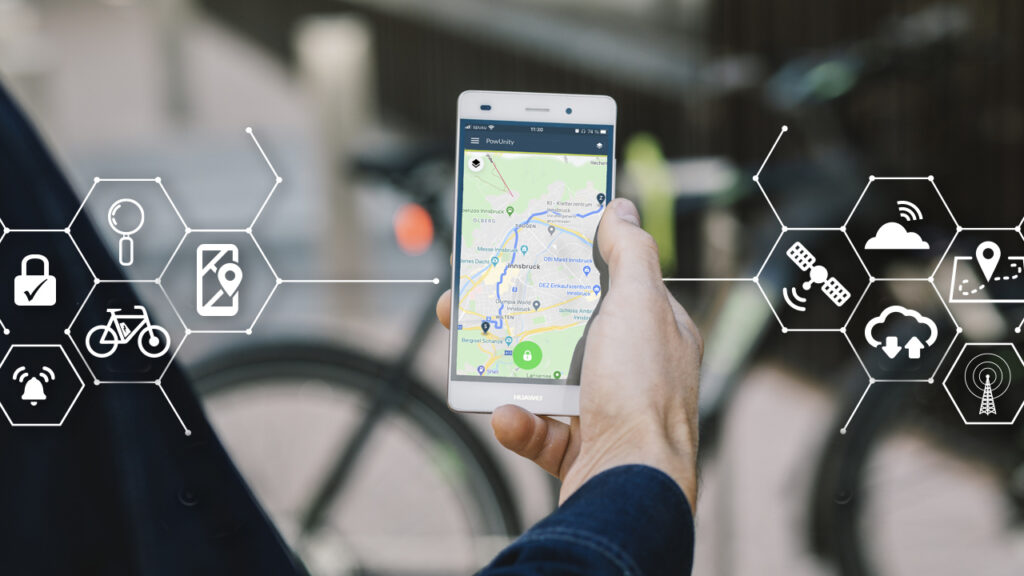
In today’s fast-moving world, vehicle ownership comes with responsibilities—and risks. From theft and accidents to misuse and fraud, insurance companies calculate premiums based on the level of risk associated with each vehicle. The higher the risk, the higher the premium. This is where GPS tracking technology plays a transformative role. By installing a reliable GPS tracking system, vehicle owners and fleet managers can significantly reduce insurance premium risk. At United Tracker, we help individuals and businesses leverage advanced tracking solutions to improve safety, control, and insurance benefits. In this blog, we’ll explore how GPS tracking helps reduce insurance premium risk and why it has become a smart investment for vehicle owners in Pakistan. Understanding Insurance Premium Risk Insurance companies assess premiums based on multiple risk factors, including: When a vehicle is considered high-risk—such as being frequently driven in theft-prone areas or driven recklessly—the insurance premium increases. However, installing a GPS tracking system can directly address many of these risk factors. 1. Theft Prevention and Faster Recovery Vehicle theft is one of the biggest contributors to insurance claims in Pakistan. If a vehicle is stolen and not recovered, insurance companies must pay the claim amount, which increases overall risk exposure. With GPS tracking: Insurance providers recognize that vehicles equipped with GPS trackers have a higher chance of recovery. This reduces claim payouts and lowers the perceived risk, which can help reduce insurance premiums. At United Tracker, our advanced tracking systems provide real-time monitoring and quick response support, giving both vehicle owners and insurers peace of mind. 2. Improved Driver Behavior Monitoring Reckless driving leads to accidents—and accidents lead to insurance claims. Speeding, harsh braking, rapid acceleration, and sharp cornering all increase the likelihood of collisions. Modern GPS tracking systems monitor: When drivers know their behavior is being monitored, they tend to drive more responsibly. Safer driving reduces accidents, which directly reduces insurance claim frequency. Insurance companies may consider telematics data when evaluating risk profiles. A clean driving record supported by GPS data can help in negotiating better insurance terms. 3. Reduced Fraudulent Claims Insurance fraud is another factor that increases premium risk. False accident claims, exaggerated damages, and staged incidents cost insurance companies millions. GPS tracking systems provide: This data acts as reliable evidence during claim investigations. When fraud risk decreases, insurers face fewer losses—ultimately helping stabilize and reduce premium costs for responsible vehicle owners. 4. Risk-Based Premium Calculation Insurance is shifting toward data-driven models. Instead of charging uniform premiums based on general statistics, insurers are gradually moving toward usage-based and risk-based pricing. With GPS tracking: This transparency allows insurers to calculate premiums more accurately. Vehicles that present lower real-world risk can benefit from lower premiums. By installing a GPS tracking device from United Tracker, vehicle owners create a measurable safety profile that can work in their favor. 5. Enhanced Fleet Management for Businesses For businesses operating delivery vans, transport vehicles, or logistics fleets, insurance premiums can be a major expense. Multiple vehicles mean multiple risk exposures. GPS tracking helps fleet managers: When operational control improves, accident rates decline. Insurance companies may offer better terms to companies with structured tracking systems in place because they demonstrate risk management practices. United Tracker provides comprehensive fleet tracking solutions designed to reduce operational risk and support lower insurance costs. 6. Faster Emergency Response In case of an accident, immediate response can minimize damage and injury severity. Some GPS systems offer: Quick emergency assistance can reduce the financial impact of accidents. Lower claim severity contributes to reduced insurance risk in the long term. 7. Lower Long-Term Claim History Insurance premiums are heavily influenced by claim history. Frequent claims signal high risk, which results in higher premiums during policy renewal. GPS tracking helps reduce: Over time, a cleaner claim history improves the vehicle owner’s risk profile. This can lead to premium discounts or better negotiation opportunities with insurance providers. 8. Increased Vehicle Security Confidence When a vehicle is equipped with GPS tracking, insurers perceive it as a secured asset. In high-theft regions, security features play a crucial role in premium calculation. Security measures such as: All contribute to lower risk perception. Reduced uncertainty means reduced premium risk. United Tracker offers advanced security features tailored for both personal vehicles and commercial fleets in Pakistan. Why Insurance Companies Prefer GPS-Equipped Vehicles Insurance providers are constantly seeking ways to reduce claim payouts and manage risk exposure. GPS tracking aligns perfectly with these objectives by: As risk decreases, insurance pricing becomes more favorable. In some markets, insurers even offer direct discounts for GPS-installed vehicles. GPS Tracking: A Smart Financial Decision While installing a GPS tracker involves a small upfront investment, the long-term financial benefits often outweigh the cost: Instead of viewing GPS tracking as an expense, it should be considered a risk management investment. At United Tracker, we focus on providing reliable, affordable, and efficient GPS tracking solutions that not only improve vehicle security but also support lower insurance risk profiles. Why Choose United Tracker? United Tracker offers: Our mission is to help vehicle owners reduce risk, protect their assets, and improve their financial stability by leveraging modern tracking technology. Whether you own a personal car or manage a fleet of commercial vehicles, United Tracker provides solutions designed to support safer driving and smarter insurance management. Conclusion Insurance premiums are directly linked to risk. The higher the risk, the higher the cost. GPS tracking technology significantly reduces key risk factors such as theft, reckless driving, fraud, and delayed response. By installing a GPS tracking system, vehicle owners demonstrate proactive risk management. This can lead to improved insurance profiles, potential premium reductions, and long-term financial benefits. In today’s environment, safety and data transparency matter more than ever. With United Tracker, you don’t just track your vehicle—you reduce risk, enhance security, and move toward smarter insurance savings. If you’re looking to protect your vehicle and potentially reduce your insurance premium risk, investing in a professional GPS tracking solution is a step in the right direction.
How Vehicle Tracking Helps Reduce Insurance Claims
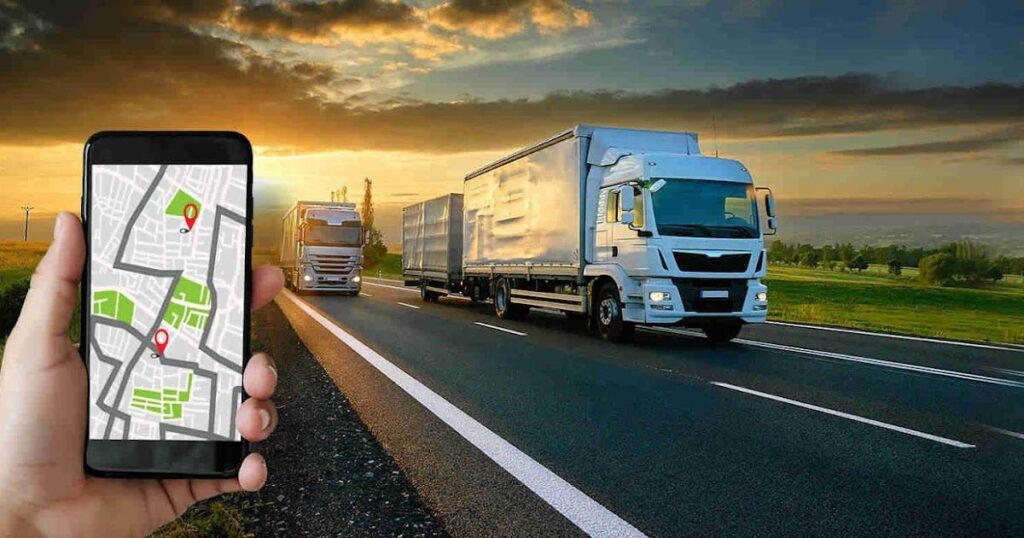
In today’s fast-paced world, vehicles are essential to our daily lives — for commuting, transporting goods, providing services, and simply staying connected. But with increased vehicle use comes the risk of accidents, theft, and insurance claims that cost drivers and insurers billions every year. Thankfully, modern technology has paved the way for smarter ways to protect vehicles and reduce insurance costs. One of the most effective solutions is vehicle tracking. In this blog, we explore how vehicle tracking helps reduce insurance claims and why it’s becoming a must-have feature for vehicle owners. We’ll also introduce an exciting offer from United Tracker — Buy a tracker and get free third-party motor insurance — making it even more worthwhile to adopt this technology. What is Vehicle Tracking? Vehicle tracking uses GPS (Global Positioning System) and communication technologies to monitor the real-time location of a vehicle. These systems typically include: With tracking technology, fleet managers and individual vehicle owners can see where their vehicles are at all times, receive alerts about unusual activity, and take proactive steps to prevent losses. How Vehicle Tracking Helps Reduce Insurance Claims 1. Deterrence & Prevention of Theft Vehicle theft is a major contributor to insurance claims. According to global crime statistics, thousands of vehicles are stolen every day — leaving owners with financial losses and costly insurance claims. Vehicle tracking systems act as a powerful deterrent. When thieves know a vehicle is being monitored, the risk of being tracked and caught increases dramatically. Even if a theft occurs, GPS tracking helps locate the vehicle quickly, reducing the chances of irreparable loss. Result: Fewer theft claims and faster recovery of stolen vehicles. 2. Encouraging Safer Driving Behavior One surprising benefit of vehicle tracking is that it encourages safer driving. When drivers know their speed, routes, and driving habits are being monitored, they tend to: Safe driving directly reduces the likelihood of accidents. Lower accident rates mean fewer insurance claims — a benefit both to drivers and insurance companies. 3. Accurate Accident Analysis In the event of a collision, vehicle tracking systems can provide detailed data about what happened. This may include: This data helps insurance companies assess claims more accurately and swiftly. When the cause of an accident is clear, fraudulent or exaggerated claims become easier to detect and dismiss. Result: Lower costs from disputed or unclear claims. 4. Quick Emergency Response Some advanced tracking systems include SOS alerts and accident detection features. If a vehicle is involved in a crash, the system can automatically notify emergency services or the vehicle owner. Faster response times can save lives and reduce the severity of injuries. From an insurance perspective, quicker intervention often results in lower hospitalization costs and reduced long-term claim payouts. 5. Real-Time Alerts for Suspicious Activity Modern vehicle trackers aren’t just passive GPS devices. They can be configured to send alerts for: These alerts allow vehicle owners to act quickly — whether by contacting law enforcement or remotely disabling the vehicle in some cases. Result: Higher security and fewer incidents escalating into insurance claims. 6. Better Route Management for Fleets For businesses with fleets — such as logistics, transport, and delivery companies — vehicle tracking is a game-changer. With real-time location data, fleet managers can optimize routes, reduce idle time, and avoid high-risk areas. This leads to: Collectively, these factors decrease the number of insurance claims and improve overall operational efficiency. 7. Lower Insurance Premiums As tracking reduces risks — like theft and accidents — insurance companies view the vehicle as a safer investment. Many insurers offer discounted premiums for vehicles equipped with approved tracking devices. Ultimately, this means: Tracking systems don’t just reduce claims — they can actually save you money year after year. United Tracker’s Special Offer There’s never been a better time to equip your vehicle with tracking technology. United Tracker is now offering an incredible deal: Buy a vehicle tracker and get free third-party motor insurance! This means: This offer is perfect for individual car owners, families, and business fleets alike. By combining vehicle tracking with insurance protection, you enjoy dual benefits: Why This Offer is Worth It 1. No Compromise on Safety With a tracker installed, you’re protected against theft and unsafe driving — and now, with third-party insurance included, you’re also covered for legal costs if you’re involved in an accident that impacts others. 2. Smart Investment in Protection Trackers pay for themselves over time through: With the free third-party insurance included, the value you receive is even greater. 3. Peace of Mind Whether you’re driving to work, running errands, or managing a fleet, knowing your vehicle is monitored and insured gives unmatched confidence on the road. Making the Most of Vehicle Tracking Here are some tips to maximize the benefits of your tracking system: Configure Alerts Set up alerts for unauthorized movement, excessive speed, and zone breaches. Review Driving Behavior Use driver reports to coach safer habits and reduce risk. Sync With Insurance Share tracking data with your insurer to qualify for premium reductions. Maintain the Device Ensure the tracker is properly installed and serviced for continuous performance. Conclusion Vehicle tracking technology has shifted from luxury to necessity — especially for drivers who want to protect their investment, reduce risks, and save on insurance costs. By deterring theft, promoting safer driving, offering precise incident data, and enabling faster emergency response, tracking systems significantly reduce insurance claims. And now, with United Tracker’s offer — buy a tracker and get free third-party motor insurance — vehicle owners have even more reason to adopt this smart technology. Stay safe, stay protected, and enjoy greater peace of mind on every journey with vehicle tracking.

